If you have heard about the "IRS Fresh Start Program" from a late-night commercial or a radio ad, I want to separate what is real from what is marketing before you make any decisions based on what you heard. The
underlying programs are real. Much of what gets said about them in ads is not.
TLDR;
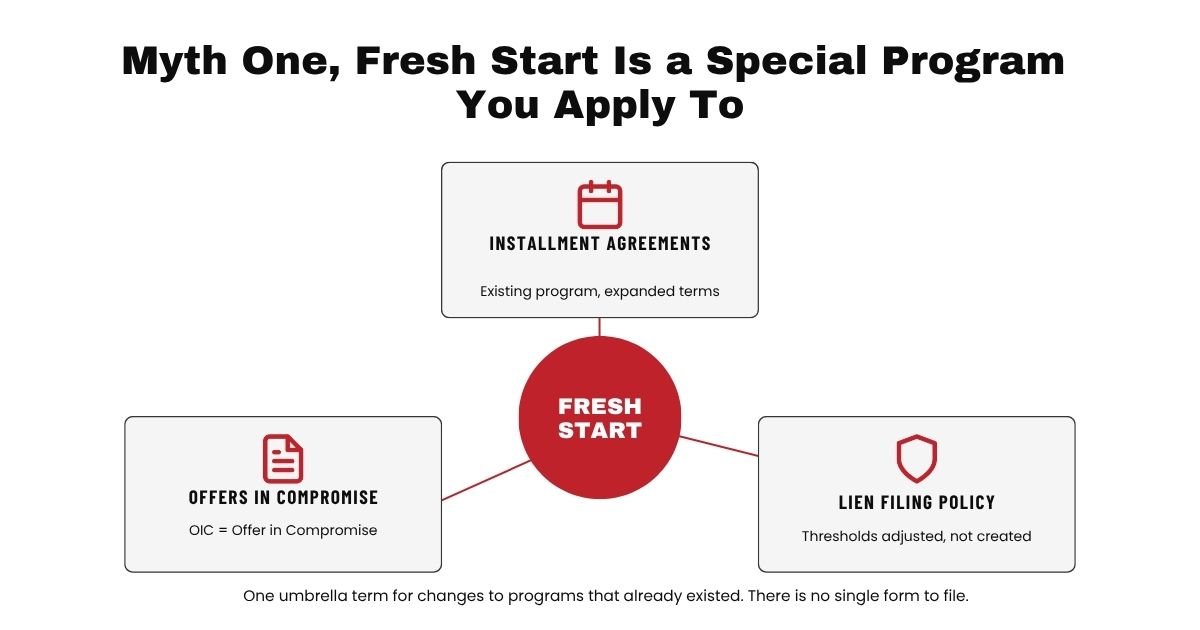
-Fresh Start is not a single program you apply for. It is an umbrella term for a set of expansions the IRS made, rolled out between roughly 2011 and 2014, to existing programs like installment agreements, Offers in Compromise, and lien filing thresholds.
- One concrete change: Fresh Start generally raised the balance threshold before the IRS routinely files a public Notice of Federal Tax Lien, from roughly $5,000 to $10,000.
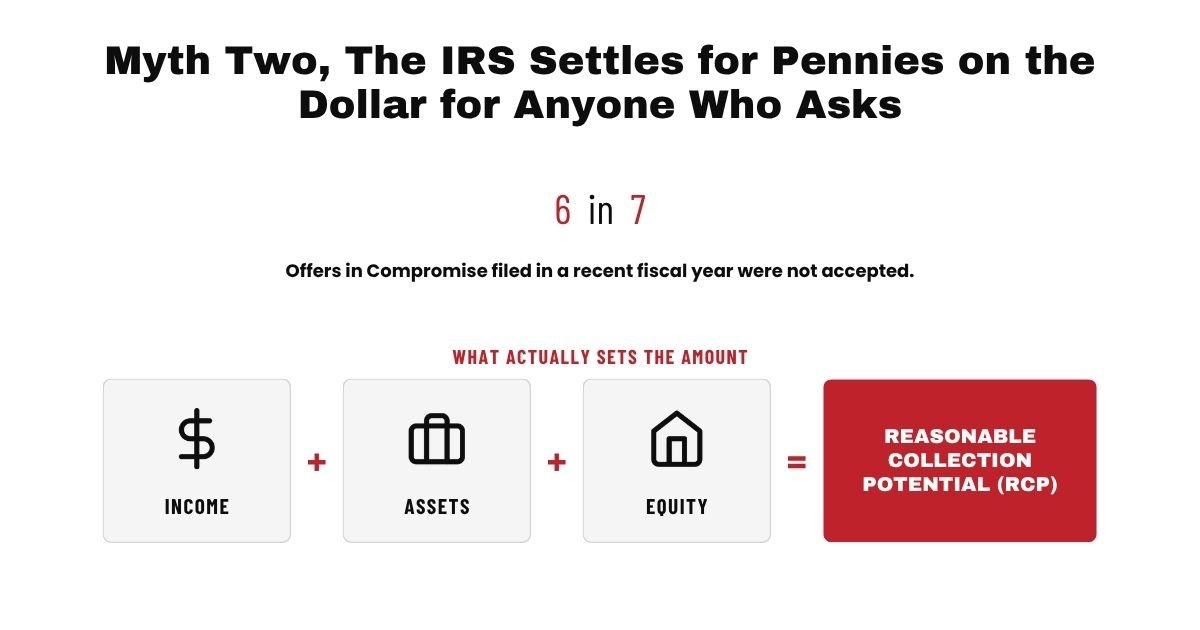
- An Offer in Compromise is not approved based on what you offer to pay. It is calculated based on what the IRS believes it can realistically collect from your income, assets, and equity, a figure generally called your reasonable collection potential.
- Roughly six in seven Offers in Compromise filed in a recent fiscal year were not accepted, according to one commonly cited figure.
- "Pennies on the dollar" settlements happen, but they are reserved for taxpayers in genuinely limited financial circumstances, not a universal outcome available to anyone who applies.
- There is no deadline or expiration on these programs, despite some marketing suggesting otherwise. They are permanent changes to IRS procedure, not a limited-time offer.
Sample - change pic
Myth One, Fresh Start Is a Special Program You Apply To
This is probably the most common misconception. There is no single form called "Fresh Start" that you fill out. The name refers to a set of changes the IRS made to several existing, longstanding programs, installment agreements, Offers in Compromise, and lien filing policy, to make them somewhat more accessible.
The programs it expanded are real, longstanding federal programs with their own specific forms and eligibility criteria. Fresh Start changed some of the thresholds and mechanics within those programs. It did not create a new, separate "settle for pennies" option.
Myth Two, The IRS Settles for Pennies on the Dollar for Anyone Who Asks
This is the myth that does the most damage, because it sets an expectation that leads people to pay upfront fees for a settlement they may never qualify for.
An accepted Offer in Compromise is calculated based on what the IRS believes it can realistically collect from you, called your reasonable collection potential, factoring in your income, your assets, and any equity you have, including in a home.
Dramatic settlements do happen for taxpayers in genuinely limited financial circumstances. But one frequently cited figure describes roughly six in seven offers filed in a recent fiscal year as not being accepted at all.
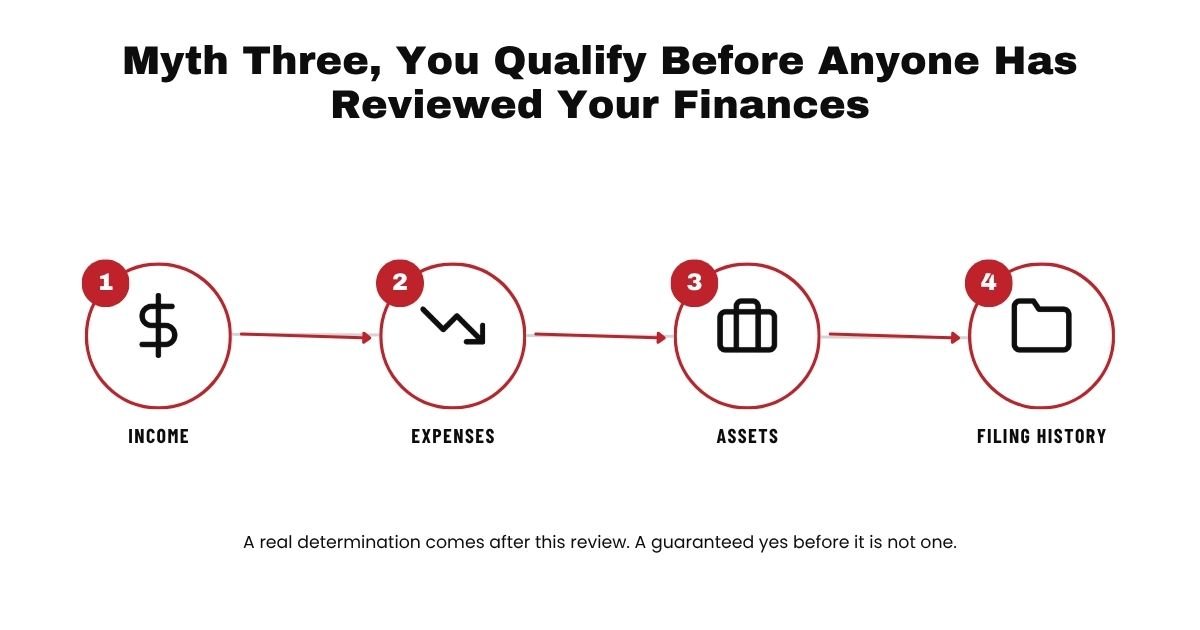
Myth Three, You Qualify Before Anyone Has Reviewed Your Finances
Any legitimate assessment of whether you qualify for a settlement requires reviewing your actual income, expenses, assets, and filing history first. An answer that arrives before that review, "you qualify, guaranteed," on a first phone call, is not a real eligibility determination.
This is a pattern worth recognizing specifically because it shows up consistently across aggressive tax relief marketing, and it is one of the clearest signals that a claim should be treated with skepticism rather than urgency.
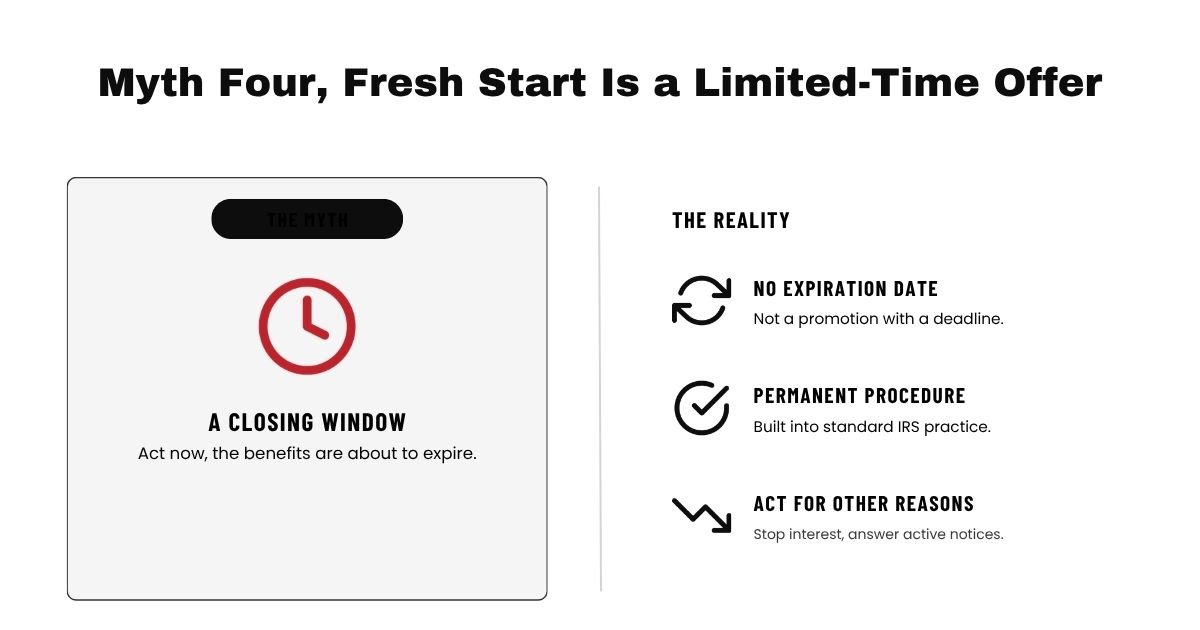
Myth Four, Fresh Start Is a Limited-Time Offer
Some marketing implies urgency, that Fresh Start benefits are expiring soon or available only for a limited window. The changes made under Fresh Start were permanent changes to IRS procedure, not a temporary promotion with a deadline.
There is rarely a genuine advantage to acting on manufactured urgency in this space. There can be real advantages to acting promptly for other reasons, stopping interest accrual, addressing an active collection notice, but "the program is about to disappear" is generally not one of them.
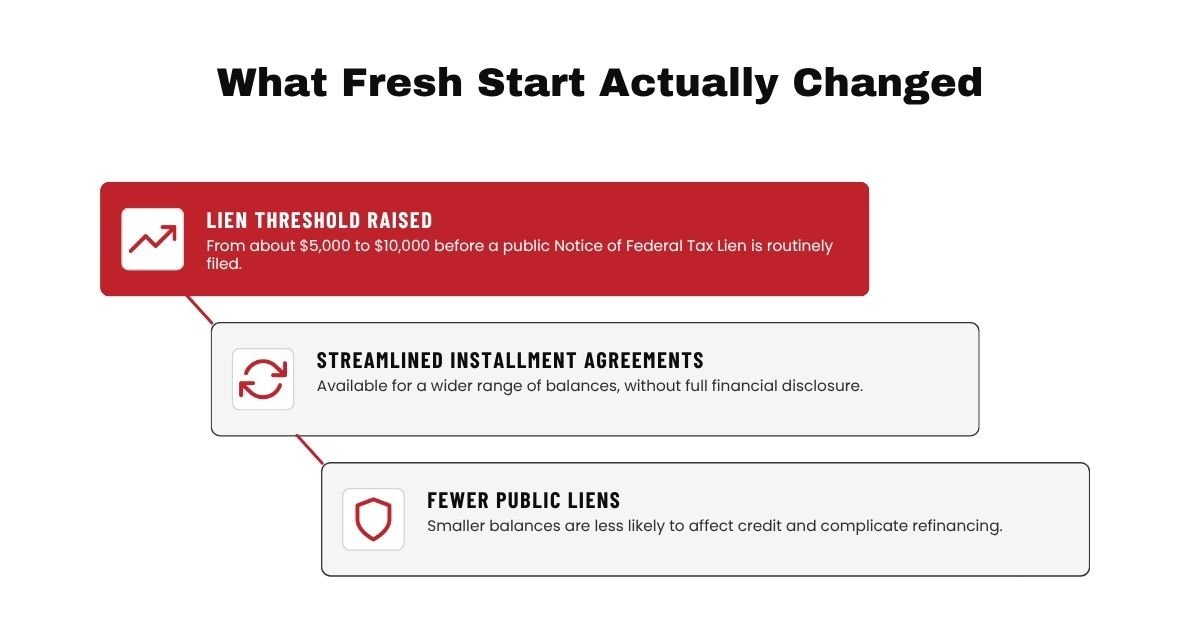
What Fresh Start Actually Changed
Rather than leaving this entirely abstract, I want to name a couple of concrete changes generally attributed to the Fresh Start expansions:
- The IRS generally raised the balance threshold before it routinely files a public Notice of Federal Tax Lien, from roughly $5,000 to $10,000, meaning fewer taxpayers with smaller balances face a public lien filing that can affect credit and complicate refinancing.
- Streamlined installment agreement processing became available for a wider range of balances without requiring full financial disclosure.
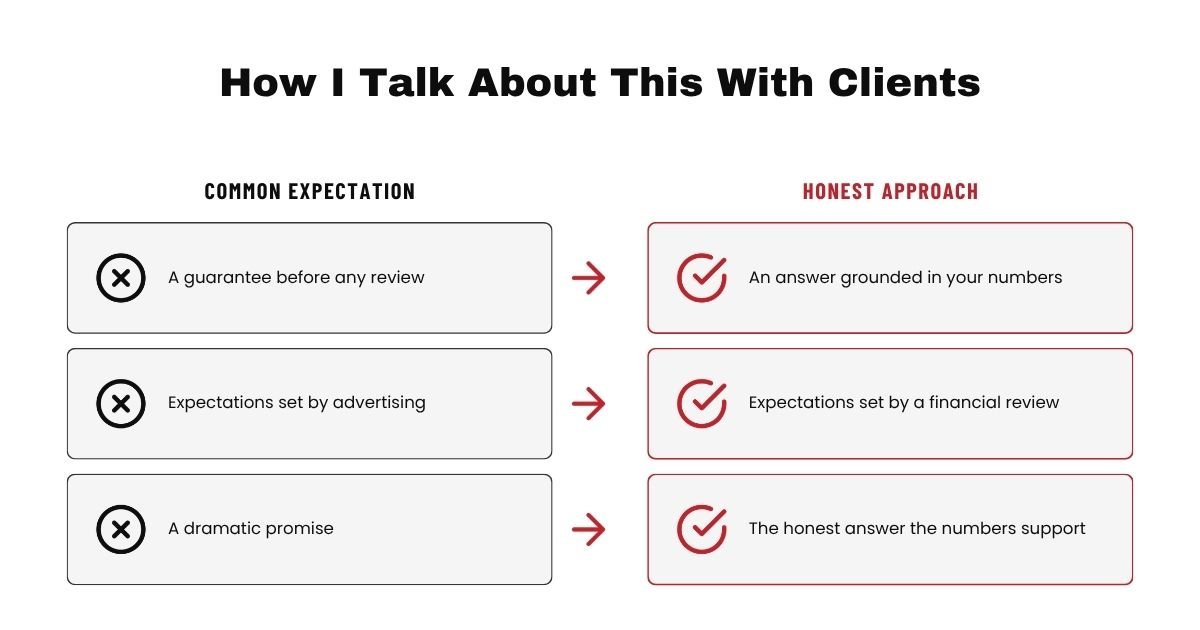
How I Talk About This With Clients
I want to be direct about something: I do not lead conversations with promises about what someone will qualify for before I have actually looked at their numbers.
In my experience, the clients who end up frustrated with the resolution process are usually the ones who came in expecting a guaranteed outcome based on something they heard in an advertisement, rather than an outcome grounded in their actualfinancial picture. My job is to tell you honestly what the numbers support, even when that is a less dramatic answer than what marketing promised.
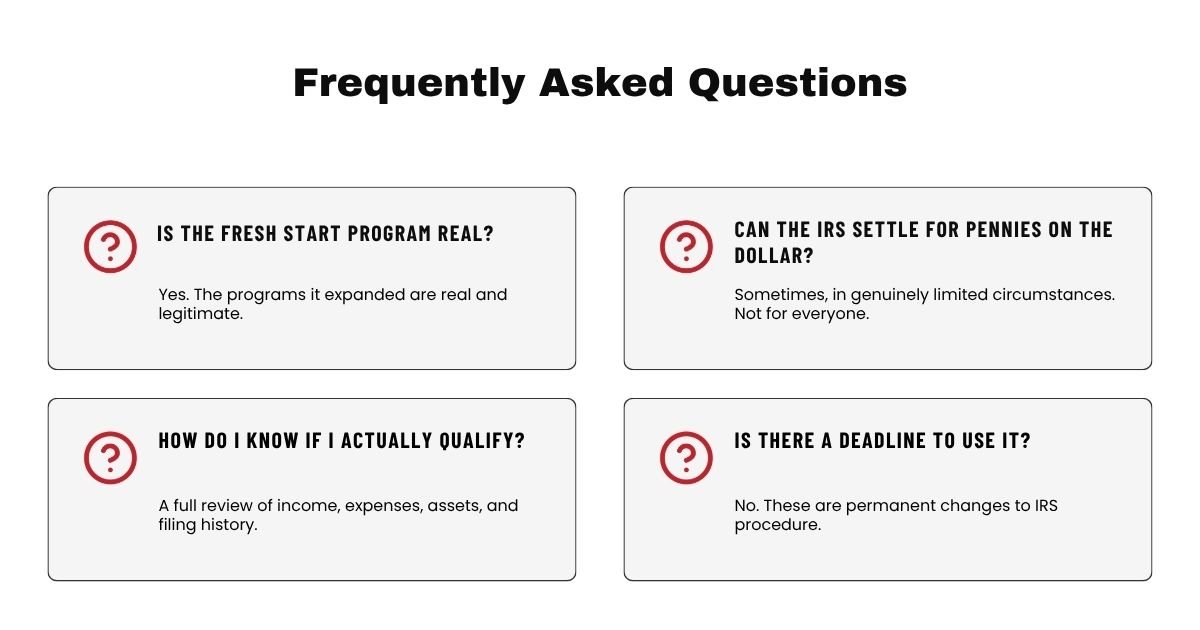
Frequently Asked Questions
-
Yes, the underlying programs it expanded, installment agreements,
Offers in Compromise, and lien policy changes, are real and legitimate. What is often misleading is marketing that treats "Fresh Start" as its own separate, guaranteed settlement program.
-
In some genuinely limited financial circumstances, yes, an Offer in Compromise can result in paying significantly less than the full balance. This is not a universal outcome, and most offers filed are not accepted as submitted.
-
Qualification depends on a full review of your income, expenses,
assets, and filing history against the IRS's reasonable collection potential formula, not a general question asked over the phone.
-
No. These are permanent changes to IRS procedure, not a limited-time program with an expiration date.
-
Generally, any guarantee of a specific outcome, especially a dramatic settlement, made before your actual financial situation has been reviewed.
Getting an Honest Read on Your Actual Options
If you have heard about Fresh Start and are not sure what actually applies to your situation, I would rather give you an honest, numbers-based answer than a promising-sounding one that does not hold up.
I offer a free case review to look at your actual financial picture and tell you plainly what you realistically qualify for.