
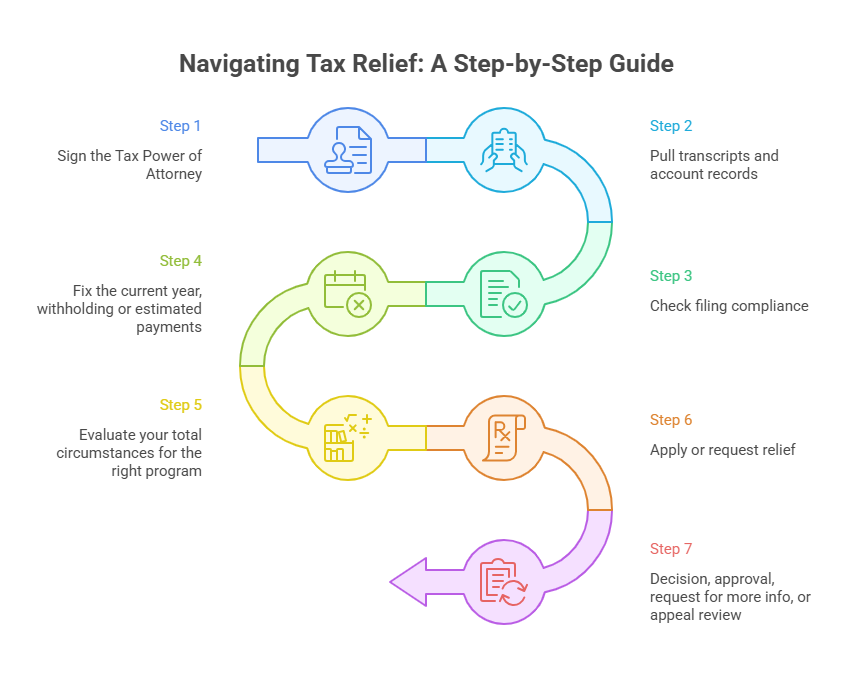
IRS Tax Resolution Process
Here is exactly what happens after you hire me to deal with the IRS or the state. My job is to get the facts, stop the problem from growing, then push for the best relief you qualify for.

To keep your case moving and your information protected, I run this entire process through a secure client portal. You will use it to upload documents, sign approved forms electronically, and track what I still need from you. It keeps everything in one place, cuts down on email back and forth, and helps me move faster when the IRS or state is requesting items on a deadline.
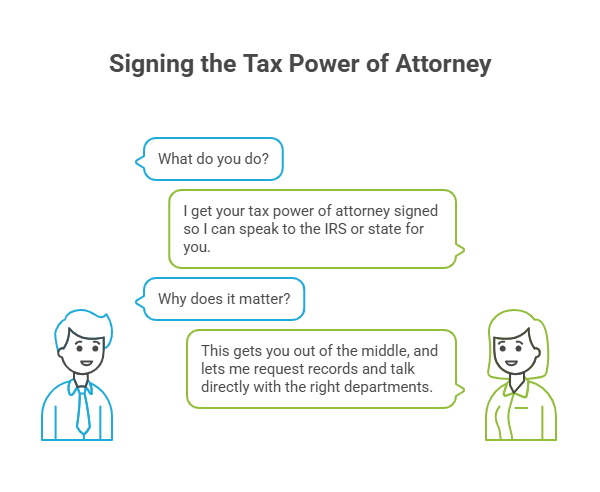
The Tax Power of Attorney
What I do: I get your tax power of attorney signed so I can speak to the IRS or state for you.
Why it matters: This gets you out of the middle, and lets me request records and talk directly with the right departments.
Pull transcripts and account records
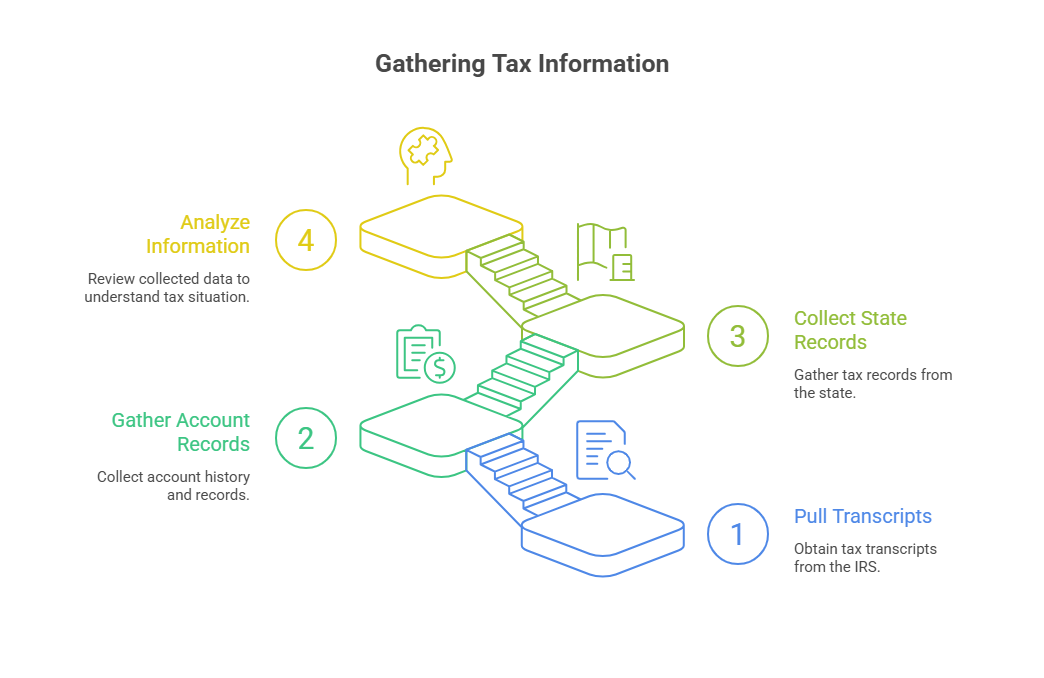
Gather transcripts, account history, and records from the IRS and, if needed, the state.
Why it matters: We work from facts, not guesses, including what was filed, what is missing, what the agency believes you owe, and what collections actions are active.
Check filing compliance
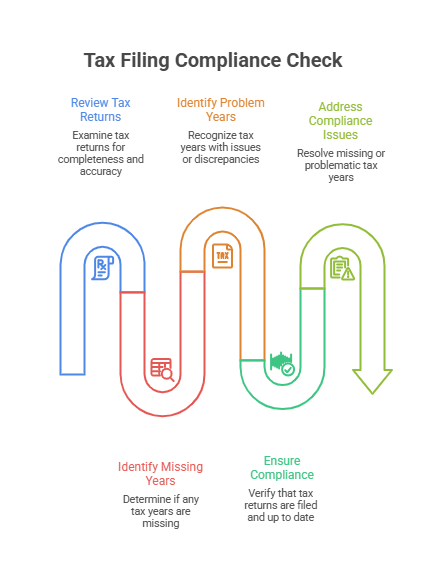
What I do: I review every tax return you were required to file and compare that against what the IRS or state actually has on record.
Why it matters: Missing returns can block almost every relief option before we even start. I identify which years are missing, which years show a balance, and which years may need an amended return before we can move forward.
Fix the current year, withholding or estimated payments
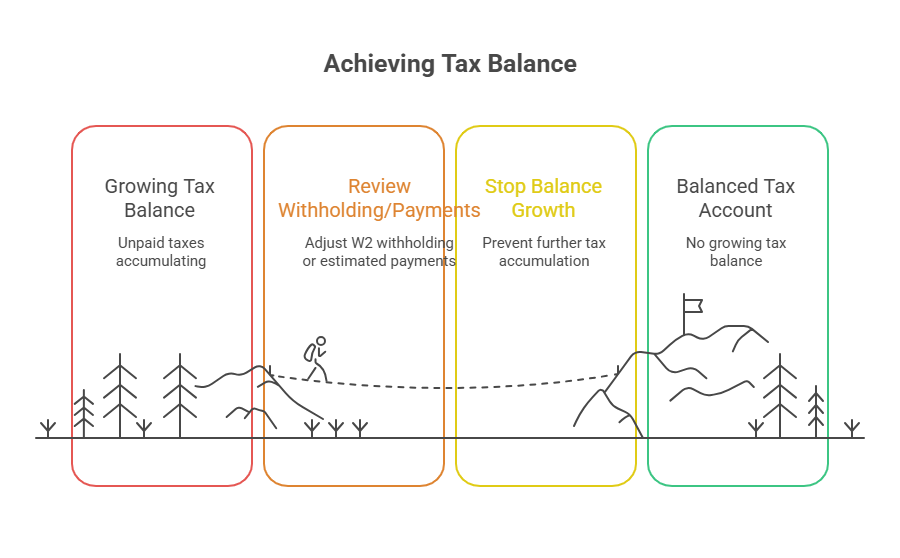
Review withholding changes if you are a W2 employee, or estimated tax payments if you are self employed or own a business.
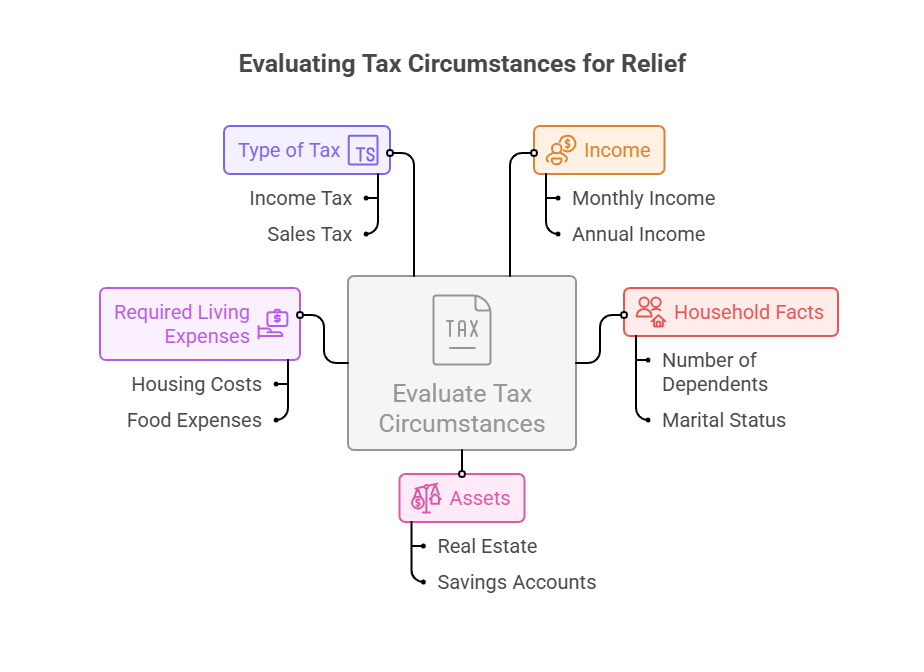
Evaluate the total circumstances
What I do: I review your complete financial picture. That generally means income, household size, assets, required living expenses, and the type of tax involved.
Why it matters: Relief is not one-size-fits-all. The program that may fit your situation depends on your actual numbers, not just the amount you owe.
Apply or request relief
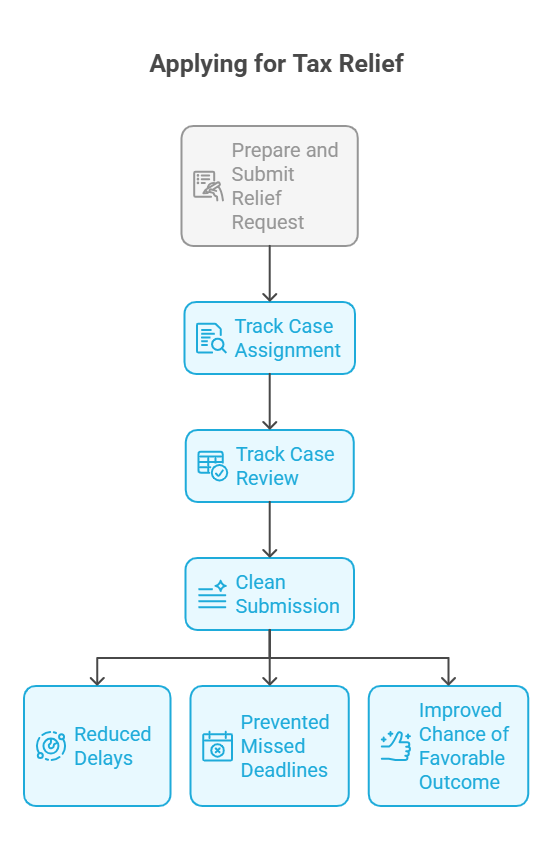
Prepare and submit the relief request, plus supporting documents, and I track the case through assignment and review.
Why it matters: A clean submission reduces delays, prevents missed deadlines, and improves the chance of a favorable outcome.
Decision, approval, request for more info, or appeal review
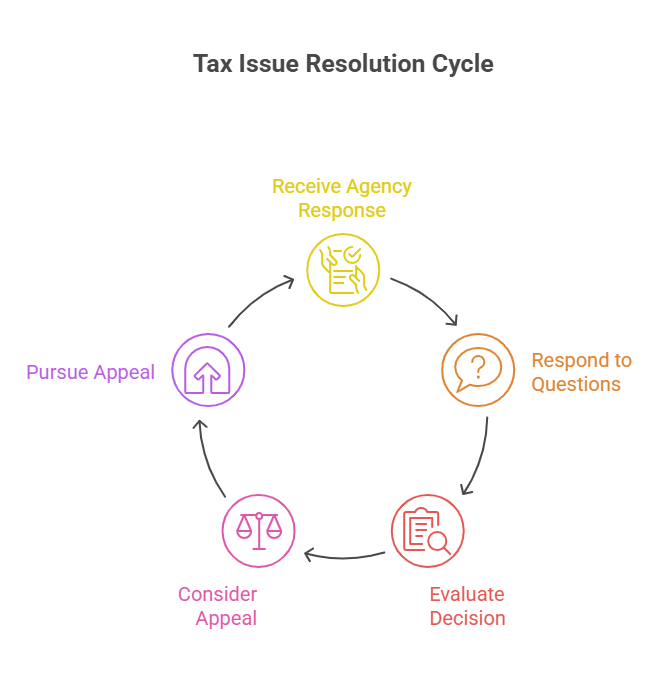
Handle the agency response, respond to questions, and if the decision is not reasonable, I evaluate whether an appeal is available and worth pursuing.
Why it matters: Many denials are procedural or documentation based, and some cases can be improved with the right follow up or appeal path.
Every case is different, and the timeline and outcome depend on many factors, including your filing compliance, the quality of the records available, IRS or state workflow, and the discretion of the assigned agent or reviewer. Once I pull your transcripts and review your situation, I will explain what options are realistic, what to expect next, and what we can do to move your case forward.